Transition-Aligned Capital Allocation
Two climate or nature investments can do very different things for the boundary they claim to protect. Without a screen to ensure the investments make a genuine difference, money spent can be under-delivering, or worse, become a reputational risk. We screen each climate and nature investment before it is made, and hand over criteria your team can reuse.
For: Business · Institutional
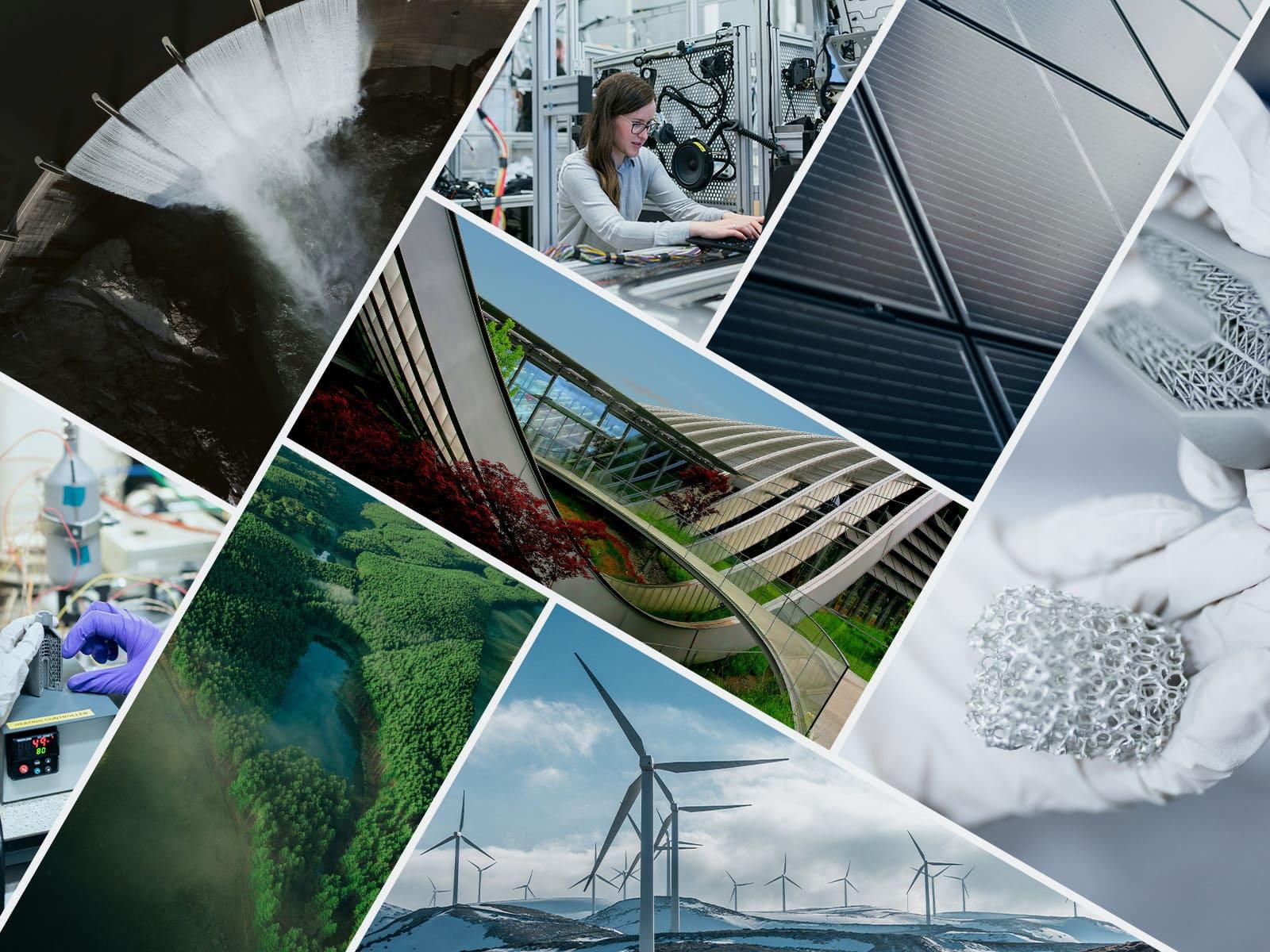
With climate projects and biodiversity credits, where the money goes matters as much as how much.
Moving past the emotional appeal and the advertising gloss, two investments can do very different things for net zero, or for the boundary they claim to protect. Without a rigorous science-based screen that takes a systemic approach to impact investments, contributions can be a gamble. Are investments shifting the aggregate pressure or shifting burden elsewhere? Do investments carry risk in the public claims a company makes? Due diligence is critical.
Our approach
Screen climate investments
Each technology investment qualified under our Net-Zero ESI (Enabling Supporting Interventions) methodology, for how far and how fast it moves the economy towards net zero on the pathways of the Intergovernmental Panel on Climate Change (IPCC).Screen nature and biodiversity investments
Each project or credit scored with APres™ against the planetary boundary it claims to protect. Gain the confidence to articulate the real impact the investment has, for the environment and society.Hand over criteria your team can apply
Screening criteria for your investment committee: the threshold each commitment must clear and the evidence it must bring, written as a tailored screening policy that applies to future investments.
Other services
Bring the decision you cannot yet answer with confidence.
A first conversation starts with the choice in front of you and the limit it should be tested against.
Talk through your decision